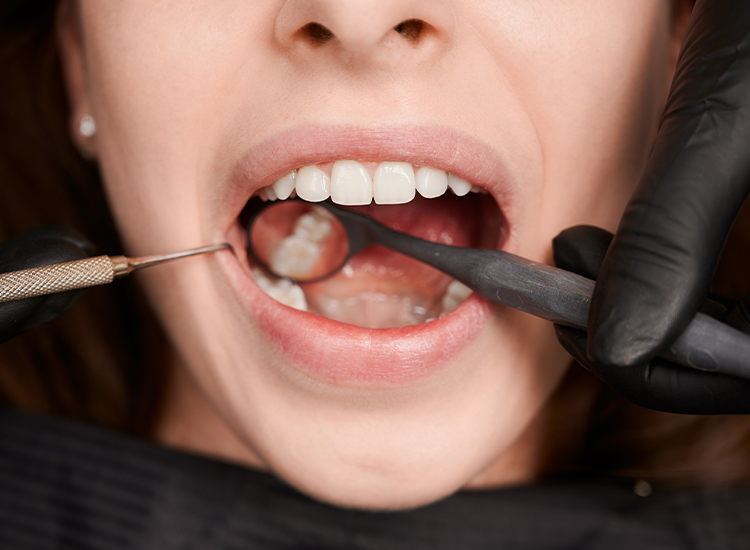
Why Does Tartar Form? Does Tartar Removal Harm Teeth?
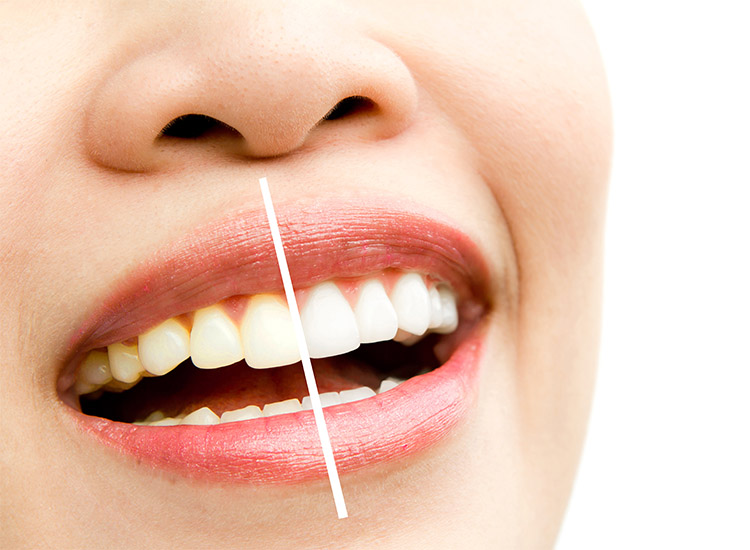
Dental calculus, also known as tartar, forms when bacterial plaque accumulated on the tooth surface hardens over time due to the minerals found in saliva. Once dental calculus has formed, it cannot be removed by brushing. Professional dental cleaning is required to remove tartar. When dental calculus cleaning is performed by a dentist using the correct techniques and equipment, tartar deposits can be removed and the areas previously covered by tartar become visible again. Dentist Emin Serhat Arıkan, who provides dental care to patients in Adana, explained the causes of dental calculus formation and answered common questions about tartar removal.
What Is Dental Calculus?
Dental calculus, also known as tartar, consists of deposits that form when plaque accumulated on the surface of the teeth or below the gumline becomes mineralized and hardens over time. Dental plaque is a sticky layer formed on the tooth surface by bacteria, saliva components, and food debris remaining in the mouth. If proper and effective oral hygiene is not maintained, this plaque hardens. Minerals such as calcium and phosphate found in saliva gradually harden the plaque and turn it into dental calculus. Tartar can form on the visible surfaces of the teeth as well as accumulate below the gumline.
What Causes Dental Calculus?
The main cause of dental calculus formation is inadequate cleaning of the tooth surfaces, allowing plaque to mineralize and harden over time. However, the rate at which tartar forms can vary from person to person.
If we list the factors that contribute to dental calculus formation:
- Not brushing the teeth sufficiently or correctly
- Not cleaning between the teeth
- Not cleaning the gumline adequately
- Minerals present in saliva
- Dietary habits
- Frequent consumption of cigarettes and tobacco products
- The presence of areas that are difficult to clean due to the position and alignment of the teeth
Similarly, even two people who maintain the same level of oral hygiene may not develop tartar at the same rate. The main reason for this is differences in saliva composition.
What Are the Symptoms of Dental Calculus?
Dental calculus can be easily detected during routine dental examinations. Sometimes, changes in the color and texture of the tooth surface may also indicate tartar formation.
If we list the symptoms of dental calculus:
- Yellow, brown, or black deposits appearing on the tooth surface
- A rough surface on the teeth
- Hard deposits forming along the gumline
- Bleeding gums
- Redness or swelling of the gums
- Bad breath
- Deposits that can be felt between the teeth
- Gum recession
However, not every discoloration that develops on the tooth surface should be considered dental calculus. Discoloration caused by certain staining agents such as wine, coffee, tea, and cigarettes may not always be tartar. The appropriate treatment method is determined after the necessary examination is performed by a dentist.
Why Is Dental Calculus Cleaning Performed?
Dental calculus should not be considered merely an aesthetic problem. Because it has a hard and rough structure, it provides a surface where plaque and bacteria can adhere. If tartar accumulates heavily, particularly along the gumline, it can cause gum inflammation and periodontal problems. Advanced periodontal disease can damage the tissues responsible for supporting the teeth.
For this reason, dental calculus cleaning is not only a cosmetic procedure that makes the teeth look cleaner; it is also a necessary procedure for maintaining healthy teeth and gums.
How Is Dental Calculus Cleaning Performed?
Dental calculus cleaning should be performed by a dentist. During the cleaning procedure, different professional instruments may be used depending on the amount of tartar and where it is located. Hardened tartar deposits can be removed using vibration, water, and ultrasonic devices.
If there are deeper deposits below the gums or periodontal disease is present, routine cleaning alone may not be sufficient. In such cases, periodontal evaluation and more comprehensive treatment procedures may be required. The scope of the treatment is determined according to the amount of tartar and the condition of the gums.
Does Dental Calculus Cleaning Damage the Teeth?
When performed by a dentist using the correct techniques, dental calculus cleaning can remove tartar without thinning the tooth enamel. Dental calculus is not part of the natural tooth structure. It is a mineralized deposit that forms on the tooth surface over time. During cleaning, only this deposit is targeted. However, the procedure must be performed by a qualified dentist using appropriate equipment. In particular, if gum disease, significant sensitivity, or exposed root surfaces are present, the procedure should be planned according to the individual patient's needs.
Does Dental Calculus Cleaning Thin the Teeth?
No, dental calculus cleaning and thinning of the tooth enamel are not the same thing. It is normal for the tooth surfaces to feel smoother and different after tartar removal. Some people may think that their teeth feel thinner following dental calculus cleaning. However, this is usually because the tartar had covered the tooth surface for a long time and the person had become accustomed to its presence. Once the deposits are removed, the actual surface of the tooth becomes visible and can be felt again. The difference in sensation after tartar removal does not mean that the tooth enamel has been worn away.
Does Sensitivity Occur After Dental Calculus Cleaning?
Yes, some people may experience temporary sensitivity after having their dental calculus removed. People with significant tartar buildup, gum recession, or exposed root surfaces may experience more noticeable sensitivity to hot and cold.
The reason for this sensitivity is not that dental calculus cleaning damages the teeth, but that the areas previously covered by tartar become exposed again. The healing process of the gum tissues following the procedure may also intensify the sensation of sensitivity. If the sensitivity persists for a long time or causes severe pain, another dental examination may be necessary.
Can Dental Calculus Be Removed at Home?
Hardened dental calculus cannot be removed at home simply by brushing. Practices such as brushing and flossing can only help remove plaque before it turns into tartar. Once plaque hardens and becomes dental calculus, professional tartar removal is required. Attempting to scrape tartar off at home, using abrasive substances, or touching the teeth with metal instruments can cause serious damage to the tooth surfaces.
The use of acidic and abrasive substances such as baking soda, vinegar, and lemon is strongly discouraged. The way to prevent tartar formation is not to try to scrape hardened tartar away at home, but to remove plaque before it hardens into dental calculus through regular oral and dental hygiene practices.
How Can Dental Calculus Formation Be Prevented?
It may not always be possible for everyone to completely prevent dental calculus formation. However, removing plaque in a timely manner can greatly help prevent tartar buildup. To achieve this:
- Brush your teeth at least twice a day using fluoride toothpaste
- Use dental floss and interdental brushes
- Clean along the gumline
- Attend regular dental check-ups
- Limit the use of cigarettes and tobacco products as much as possible
- Limit the consumption of sugary and sticky foods
- Use the oral care products and techniques recommended by your dentist.