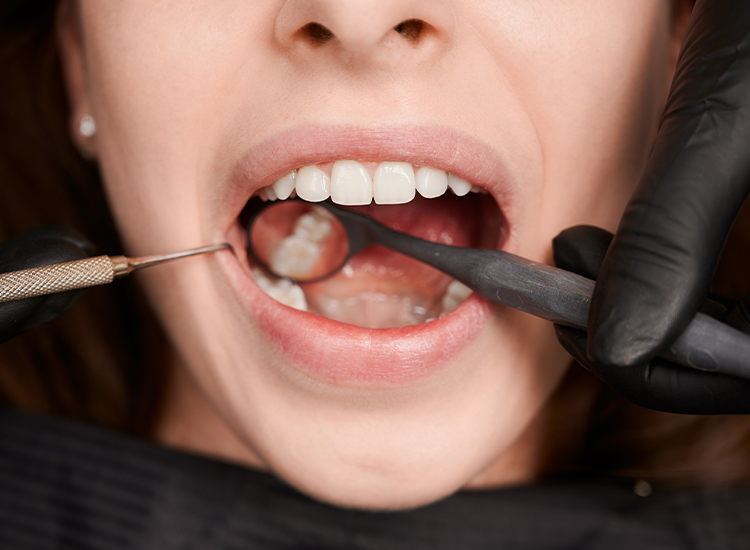
The layer covering the outer surfaces of the teeth is called tooth enamel. Tooth enamel is one of the hardest tissues in the human body. However, despite its strength, bacteria that accumulate in the mouth, acidic foods and beverages, inadequate oral care and hygiene, or improper tooth-brushing habits can cause tooth enamel to lose minerals over time. So, is it possible to strengthen tooth enamel again? Yes. Especially when advanced structural loss has not yet occurred, the mineral structure of tooth enamel can be preserved through proper oral care and remineralization-supporting approaches such as fluoride. However, enamel tissue that has been completely lost or significantly worn away cannot naturally regenerate. Therefore, the goal should be to stop early mineral loss in the enamel and protect the existing enamel. Dentist Emin Serhat Arıkan, a specialist in Oral and Dental Health serving patients in Adana, explained what can be done to strengthen tooth enamel.
Tercih ettiğiniz yapay zekâ aracında, yalnızca bu sayfadaki bilgilere dayalı kısa bir özet oluşturun.
Bu özet yapay zekâ tarafından üretilir, tıbbi tavsiye yerine geçmez. Kesin bilgi için hekiminize danışın.
Why Does Tooth Enamel Weaken?
The mineral structure of tooth enamel can be damaged over time due to various factors. In particular, frequent and prolonged exposure to acids can cause the enamel surface to soften and wear away. Frequent consumption of carbonated and acidic beverages, certain sour foods, gastric acid exposure caused by conditions such as reflux, fruit juices, and frequent vomiting can significantly increase the risk of enamel erosion. Brushing the teeth too aggressively, using an inappropriate toothbrush, or failing to maintain adequate oral care and hygiene can also damage the tooth surfaces.
Does Tooth Enamel Repair Itself?
When answering this question, the extent of enamel loss is an important factor to consider. If mineral loss in the tooth enamel is detected at an early stage, it may be partially reversed through remineralization. Minerals such as phosphate and calcium in saliva help maintain the mineral balance of the tooth surface. In addition, fluoride can contribute to restoring minerals to weakened enamel surfaces.
However, it is important to note that enamel that has been severely worn away or completely lost cannot naturally regenerate. Therefore, protecting tooth enamel is more important than trying to correct or compensate for damage after it has occurred.
Can Fluoride Be Used to Strengthen Tooth Enamel?
Fluoride is one of the most widely used substances for protecting tooth enamel. When fluoride is applied to the tooth surface, it supports the remineralization process and can make teeth more resistant to acid damage.
For this reason, fluoride toothpaste should be an essential part of daily oral care. In addition to fluoride-containing products, professional fluoride treatments may also be recommended by a dentist when considered necessary.
However, fluoride products should be used appropriately, particularly in children, according to their age and individual needs. Uncontrolled or excessive use of fluoride is not an appropriate approach.
What Can Be Done to Protect Tooth Enamel?
One of the most important factors in protecting tooth enamel is our daily habits. For this purpose;
- Teeth should be brushed regularly with fluoride toothpaste
- Harsh movements and excessive pressure should be avoided while brushing the teeth
- Consumption of acidic and carbonated beverages should be limited as much as possible
- Constant snacking throughout the day and frequent consumption of acidic beverages should be avoided
- Regular dental check-ups should not be neglected alongside proper oral and dental care.
- If you have problems such as dry mouth, frequent vomiting, or reflux, you should definitely take steps to seek appropriate treatment for these conditions.
Frequent consumption of acidic foods and beverages, in particular, poses a significant risk for tooth enamel erosion.
Are There Foods That Strengthen Tooth Enamel?
Maintaining a balanced diet is very important for preserving the healthy structure of tooth enamel. Foods rich in calcium and phosphate may help maintain the mineral structure of the teeth. Unsweetened milk and dairy products, in particular, are among the options that can contribute to oral health.
However, consuming a particular food alone cannot regenerate tooth enamel. Protecting tooth enamel should be considered together with dietary habits, oral hygiene, fluoride use, and regular dental check-ups.
What Happens If Tooth Enamel Wears Away?
As enamel erosion progresses, changes in the tissue and shape of the tooth surface may occur. Teeth may gradually become more sensitive. A person may experience discomfort, particularly when the teeth come into contact with sweet, hot, or cold foods and beverages.
At the next stage, the dentin may become exposed, and the structural integrity of the teeth may be affected. Progressive erosion can lead to dentin sensitivity and loss of tooth tissue.
Therefore, if tooth sensitivity or noticeable wear on the tooth surfaces is observed, it is important not to rely solely on desensitizing treatments and to consult a dentist promptly.
What Can a Dentist Do to Strengthen Tooth Enamel?
The dentist first identifies the underlying cause of enamel loss and determines its extent. In cases of early-stage mineral loss, preventive and remineralization-supporting approaches may be used. In more advanced cases of enamel erosion, simply improving oral care may not be sufficient. Depending on the extent of the damage, restorative treatments may also be considered. At this stage, the primary goal should not only be to improve the appearance of the teeth, but also to prevent further enamel loss and preserve dental function.
The layer covering the outer surfaces of the teeth is called tooth enamel. Tooth enamel is one of the hardest tissues in the human body. However, despite its strength, bacteria that accumulate in the mouth, acidic foods and beverages, inadequate oral care and hygiene, or improper tooth-brushing habits can cause tooth enamel to lose minerals over time. So, is it possible to strengthen tooth enamel again? Yes. Especially when advanced structural loss has not yet occurred, the mineral structure of tooth enamel can be preserved through proper oral care and remineralization-supporting approaches such as fluoride. However, enamel tissue that has been completely lost or significantly worn away cannot naturally regenerate. Therefore, the goal should be to stop early mineral loss in the enamel and protect the existing enamel. Dentist Emin Serhat Arıkan, a specialist in Oral and Dental Health serving patients in Adana, explained what can be done to strengthen tooth enamel.
Why Does Tooth Enamel Weaken?
The mineral structure of tooth enamel can be damaged over time due to various factors. In particular, frequent and prolonged exposure to acids can cause the enamel surface to soften and wear away. Frequent consumption of carbonated and acidic beverages, certain sour foods, gastric acid exposure caused by conditions such as reflux, fruit juices, and frequent vomiting can significantly increase the risk of enamel erosion. Brushing the teeth too aggressively, using an inappropriate toothbrush, or failing to maintain adequate oral care and hygiene can also damage the tooth surfaces.
Does Tooth Enamel Repair Itself?
When answering this question, the extent of enamel loss is an important factor to consider. If mineral loss in the tooth enamel is detected at an early stage, it may be partially reversed through remineralization. Minerals such as phosphate and calcium in saliva help maintain the mineral balance of the tooth surface. In addition, fluoride can contribute to restoring minerals to weakened enamel surfaces.
However, it is important to note that enamel that has been severely worn away or completely lost cannot naturally regenerate. Therefore, protecting tooth enamel is more important than trying to correct or compensate for damage after it has occurred.
Can Fluoride Be Used to Strengthen Tooth Enamel?
Fluoride is one of the most widely used substances for protecting tooth enamel. When fluoride is applied to the tooth surface, it supports the remineralization process and can make teeth more resistant to acid damage.
For this reason, fluoride toothpaste should be an essential part of daily oral care. In addition to fluoride-containing products, professional fluoride treatments may also be recommended by a dentist when considered necessary.
However, fluoride products should be used appropriately, particularly in children, according to their age and individual needs. Uncontrolled or excessive use of fluoride is not an appropriate approach.
What Can Be Done to Protect Tooth Enamel?
One of the most important factors in protecting tooth enamel is our daily habits. For this purpose;
- Teeth should be brushed regularly with fluoride toothpaste
- Harsh movements and excessive pressure should be avoided while brushing the teeth
- Consumption of acidic and carbonated beverages should be limited as much as possible
- Constant snacking throughout the day and frequent consumption of acidic beverages should be avoided
- Regular dental check-ups should not be neglected alongside proper oral and dental care.
- If you have problems such as dry mouth, frequent vomiting, or reflux, you should definitely take steps to seek appropriate treatment for these conditions.
Frequent consumption of acidic foods and beverages, in particular, poses a significant risk for tooth enamel erosion.
Are There Foods That Strengthen Tooth Enamel?
Maintaining a balanced diet is very important for preserving the healthy structure of tooth enamel. Foods rich in calcium and phosphate may help maintain the mineral structure of the teeth. Unsweetened milk and dairy products, in particular, are among the options that can contribute to oral health.
However, consuming a particular food alone cannot regenerate tooth enamel. Protecting tooth enamel should be considered together with dietary habits, oral hygiene, fluoride use, and regular dental check-ups.
What Happens If Tooth Enamel Wears Away?
As enamel erosion progresses, changes in the tissue and shape of the tooth surface may occur. Teeth may gradually become more sensitive. A person may experience discomfort, particularly when the teeth come into contact with sweet, hot, or cold foods and beverages.
At the next stage, the dentin may become exposed, and the structural integrity of the teeth may be affected. Progressive erosion can lead to dentin sensitivity and loss of tooth tissue.
Therefore, if tooth sensitivity or noticeable wear on the tooth surfaces is observed, it is important not to rely solely on desensitizing treatments and to consult a dentist promptly.
What Can a Dentist Do to Strengthen Tooth Enamel?
The dentist first identifies the underlying cause of enamel loss and determines its extent. In cases of early-stage mineral loss, preventive and remineralization-supporting approaches may be used. In more advanced cases of enamel erosion, simply improving oral care may not be sufficient. Depending on the extent of the damage, restorative treatments may also be considered. At this stage, the primary goal should not only be to improve the appearance of the teeth, but also to prevent further enamel loss and preserve dental function.