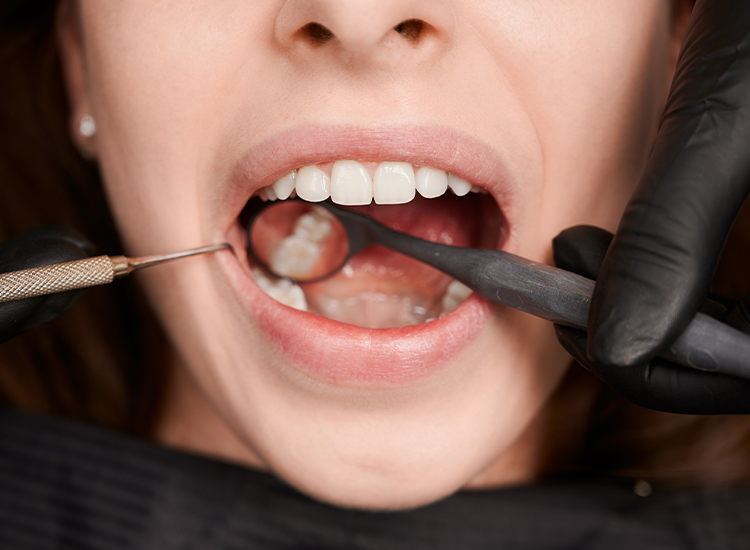
How is a Fractured Tooth Treated?
A broken tooth is a dental problem that can occur in different forms, ranging from the loss of a small piece of tooth enamel or dentin to severe fractures affecting the deeper layers of the tooth. Many factors can cause teeth to break, including biting down on hard foods, tooth decay, clenching or grinding the teeth (bruxism), and trauma to the mouth. The treatment protocol for a broken tooth depends on the size of the fracture, the amount of healthy tooth structure remaining, whether the nerve tissue has been affected, and the location of the fracture. For minor fractures, a filling or composite bonding may be sufficient. However, when there is more extensive tissue loss, treatment options such as a crown, root canal therapy, or, in some cases, tooth extraction may be considered. Dentist Emin Serhat Arıkan, who provides dental services to patients in Adana, explained what you need to know about the treatment of broken teeth.
What Causes a Broken Tooth?
Teeth are biologically strong structures. However, they can still become damaged when exposed to excessive force. Tooth fractures are not always caused by an external impact. Certain conditions that gradually weaken the tooth from within can also increase the risk of tooth fracture.
The most common causes of broken teeth include:
- Biting down on hard objects or foods
- Trauma to the mouth caused by falls, collisions, or similar incidents
- Weakening of the tooth structure due to tooth decay
- Teeth clenching and grinding
- Weakened tooth structure caused by large fillings
- Structural weakening over time in teeth that have previously undergone root canal treatment
- Wear and tear on the teeth
Teeth that have become structurally weakened due to decay may fracture even under normal chewing forces. Therefore, it is not sufficient to evaluate only the visible part of a broken tooth.
What Are the Symptoms of a Broken Tooth?
A broken tooth may sometimes be noticed without causing any pain. Small fractures in the enamel may only cause a change in the appearance of the tooth. However, deeper tooth fractures can cause various symptoms. Symptoms associated with a broken tooth include:
- Pain when chewing or biting
- Sensitivity to hot and cold foods or drinks
- Sharp or aching sensations when consuming sweet foods
- A sharp or rough area on the surface of the tooth
- A piece of the tooth becoming detached
- Gum sensitivity or swelling
- Persistent or intermittent toothache
How Is a Broken Tooth Treated?
There is no single treatment method for all broken teeth. Your dentist will first evaluate where the fracture is located, how deeply it extends, and whether the tooth can be preserved in a healthy condition.
In addition to a dental examination, imaging techniques such as X-rays may be used when necessary. Treatment options for broken teeth include:
- Composite filling
- Bonding
- Crown
- Root canal treatment
- Tooth extraction
- Reattachment of the broken tooth fragment, when appropriate
Can a Broken Tooth Be Treated with a Filling?
Yes, some broken teeth can be treated with a filling. Whether a broken tooth can be restored with a filling depends on the size of the fracture and the amount of healthy tooth structure that remains. If only a small piece of the tooth has been lost, a composite filling may be sufficient. However, if a large portion of the tooth has fractured, it may not be possible to preserve the tooth with a filling alone. In such cases, other treatment options, such as root canal treatment or a crown, may be considered.
Does a Broken Tooth Need to Be Extracted?
Not every broken tooth needs to be extracted. In dentistry, the primary approach is to preserve the natural tooth whenever possible. When determining whether a tooth can be treated, factors such as the root, its effect on the surrounding tissues, the location and depth of the fracture, and the amount of healthy tooth structure remaining are taken into consideration. Extraction may be necessary when a deep or severely fragmented fracture cannot be treated successfully.
What Happens If a Broken Tooth Is Not Treated?
Deep fractures in teeth can cause further damage over time. If a broken tooth is left untreated:
- Tooth sensitivity may increase
- The fracture may progress
- The pulp tissue may become damaged
- An infection may develop
- Pain may occur while chewing
- More tooth structure may eventually be lost
For this reason, even if you do not experience pain, you should consult a dentist without delay if you notice a broken tooth.
Can a Treated Broken Tooth Break Again?
The risk of a treated broken tooth fracturing again depends on the original condition of the tooth and the factors that caused the fracture. For example, if bruxism, or teeth clenching and grinding, continues, high forces may also be placed on the restoration. The habit of biting hard objects can likewise increase the risk of another fracture. Therefore, it is important not only to repair the fractured area but also to evaluate the factors that caused the fracture. Your dentist may recommend preventive measures, such as a night guard, when appropriate.
How Can Broken Teeth Be Prevented?
Although it is not possible to completely prevent tooth fractures, certain habits and precautions may help reduce the risk.
- Avoid using your teeth to break hard objects
- If you clench or grind your teeth, take appropriate measures to address the habit
- Have cavities and worn or aging restorations treated
- Do not skip regular dental check-ups
- Use a mouthguard during contact sports
- Maintain a regular oral and dental hygiene routine