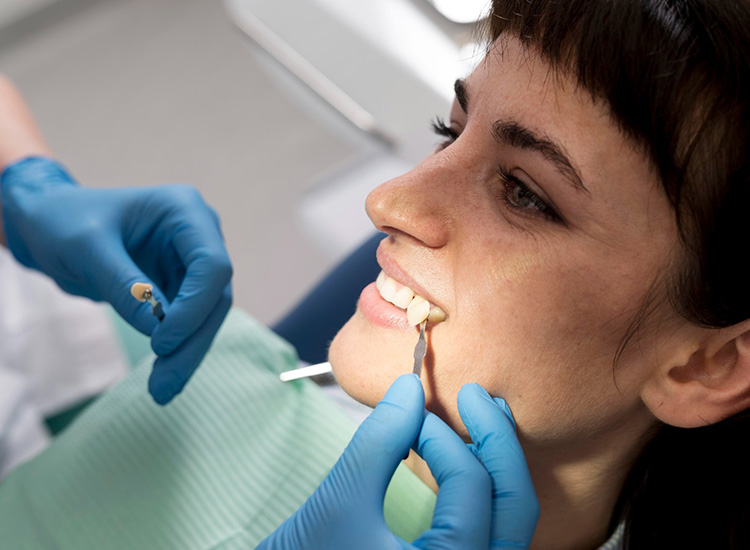
For dental implants to be securely placed into the jawbone, there must be a sufficient amount and quality of bone in the area where the implant will be positioned. However, bone loss that occurs over time following tooth loss, advanced gum disease, previous trauma, or certain anatomical characteristics may result in insufficient bone tissue in the implant area. Insufficient bone for dental implants is a condition that can be treated today using various surgical techniques. Depending on the patient's bone structure and the amount of bone required, procedures such as bone grafting, guided bone regeneration, or sinus lifting in the upper jaw may be performed.
Tercih ettiğiniz yapay zekâ aracında, yalnızca bu sayfadaki bilgilere dayalı kısa bir özet oluşturun.
Bu özet yapay zekâ tarafından üretilir, tıbbi tavsiye yerine geçmez. Kesin bilgi için hekiminize danışın.
Why Is There Not Enough Bone for a Dental Implant?
After tooth loss, the mechanical stimulation that the tooth root normally provides to the jawbone is also lost. As a result, a reduction in bone volume may occur over time in the affected area. This can make implant treatment more difficult, particularly in areas that have remained toothless for a long period.
In addition, advanced gum disease, previous surgical procedures, the anatomical structure of the jaw, and trauma can contribute to insufficient bone in the implant area. In the posterior region of the upper jaw, the position of the maxillary sinus may be one of the reasons why there is insufficient bone height for placing an implant.
How Is Bone Insufficiency Detected Before Dental Implant Treatment?
An intraoral examination alone may not always be sufficient when planning dental implant treatment. Depending on the assessment performed by your dentist, three-dimensional imaging technologies and panoramic X-rays may be used.
Three-dimensional imaging, in particular, can provide more detailed information about the width and height of the bone in the implant area and its relationship with surrounding anatomical structures. This helps determine whether the implant can be placed directly or whether a bone augmentation procedure is required beforehand.
Can Bone Be Built Up for a Dental Implant with a Bone Graft?
Yes. Bone grafting may be performed in cases where the bone volume needs to be increased. In this procedure, an appropriate graft material is used to increase the amount of bone in the area where the implant will be placed.
Graft materials can be obtained from the patient's own bone. Alternatively, graft materials may be derived from human or animal sources or produced synthetically. When selecting the appropriate material and treatment method, factors such as the extent of bone loss, the anatomical characteristics of the area, and the patient's overall health are taken into consideration.
In some cases where bone loss is limited, bone grafting can even be performed during the same appointment as implant placement. However, in more extensive bone augmentation procedures, it may be necessary to wait for the healing process to be completed before placing the implant. This process varies from patient to patient and may take several months.
Can Bone Height Be Increased for a Dental Implant with Sinus Lifting?
Sinus lifting, also known as sinus elevation, may be considered when there is insufficient bone height for an implant, particularly in the posterior region of the upper jaw.
During a sinus lift procedure, the membrane lining the floor of the maxillary sinus is carefully elevated. Bone graft material is then placed in the space created beneath the membrane. This can help create sufficient bone height for dental implant treatment.
Depending on the amount of available bone and the treatment approach, sinus lifting and implant placement may be performed during the same procedure. Alternatively, the bone may be allowed to heal first, with the implant being placed at a later stage.
Is the Same Treatment Used for Every Case of Bone Insufficiency?
No. Bone insufficiency in dental implant treatment is not a single type of problem. Treatment planning varies depending on factors such as bone density, width, height, and the location of the bone deficiency. While some patients may require only a small amount of additional bone support, more extensive bone loss may require more comprehensive grafting procedures. Therefore, no single treatment method can be considered suitable for every patient.
The goal of treatment is not simply to increase the amount of bone. It is also necessary to create a suitable foundation on which the implant can be placed in the correct position and remain functional over the long term.
When Can a Dental Implant Be Placed After a Bone Graft?
The timing of implant placement depends on the extent of the bone augmentation procedure performed. When the bone deficiency is limited, grafting may be performed during the same procedure as implant placement. If a larger amount of bone needs to be regenerated, several months may be required for the graft material to integrate with the surrounding bone. Some sources indicate that the healing period before implant placement may extend to up to four months after bone grafting in certain cases. However, it is not appropriate to give a fixed timeframe for every patient. The healing period depends on the patient's individual condition and the treatment method used.
Can People with Insufficient Bone Still Have Dental Implants?
In many cases, insufficient bone does not necessarily mean that dental implant treatment is impossible. The amount and quality of the available bone are first evaluated comprehensively. When appropriate, bone augmentation procedures can be performed to create the necessary foundation for implant placement.
However, treatment planning must always be individualized. In addition to the patient's bone structure, factors such as overall health, smoking status, existing medical conditions, and oral and dental health should be carefully considered before treatment.
In conclusion, insufficient bone for dental implants is a condition that can often be addressed today through surgical procedures such as sinus lifting and bone grafting. The appropriate treatment method can only be determined after a comprehensive clinical examination and, when necessary, appropriate imaging examinations.
For dental implants to be securely placed into the jawbone, there must be a sufficient amount and quality of bone in the area where the implant will be positioned. However, bone loss that occurs over time following tooth loss, advanced gum disease, previous trauma, or certain anatomical characteristics may result in insufficient bone tissue in the implant area. Insufficient bone for dental implants is a condition that can be treated today using various surgical techniques. Depending on the patient's bone structure and the amount of bone required, procedures such as bone grafting, guided bone regeneration, or sinus lifting in the upper jaw may be performed.
Why Is There Not Enough Bone for a Dental Implant?
After tooth loss, the mechanical stimulation that the tooth root normally provides to the jawbone is also lost. As a result, a reduction in bone volume may occur over time in the affected area. This can make implant treatment more difficult, particularly in areas that have remained toothless for a long period.
In addition, advanced gum disease, previous surgical procedures, the anatomical structure of the jaw, and trauma can contribute to insufficient bone in the implant area. In the posterior region of the upper jaw, the position of the maxillary sinus may be one of the reasons why there is insufficient bone height for placing an implant.
How Is Bone Insufficiency Detected Before Dental Implant Treatment?
An intraoral examination alone may not always be sufficient when planning dental implant treatment. Depending on the assessment performed by your dentist, three-dimensional imaging technologies and panoramic X-rays may be used.
Three-dimensional imaging, in particular, can provide more detailed information about the width and height of the bone in the implant area and its relationship with surrounding anatomical structures. This helps determine whether the implant can be placed directly or whether a bone augmentation procedure is required beforehand.
Can Bone Be Built Up for a Dental Implant with a Bone Graft?
Yes. Bone grafting may be performed in cases where the bone volume needs to be increased. In this procedure, an appropriate graft material is used to increase the amount of bone in the area where the implant will be placed.
Graft materials can be obtained from the patient's own bone. Alternatively, graft materials may be derived from human or animal sources or produced synthetically. When selecting the appropriate material and treatment method, factors such as the extent of bone loss, the anatomical characteristics of the area, and the patient's overall health are taken into consideration.
In some cases where bone loss is limited, bone grafting can even be performed during the same appointment as implant placement. However, in more extensive bone augmentation procedures, it may be necessary to wait for the healing process to be completed before placing the implant. This process varies from patient to patient and may take several months.
Can Bone Height Be Increased for a Dental Implant with Sinus Lifting?
Sinus lifting, also known as sinus elevation, may be considered when there is insufficient bone height for an implant, particularly in the posterior region of the upper jaw.
During a sinus lift procedure, the membrane lining the floor of the maxillary sinus is carefully elevated. Bone graft material is then placed in the space created beneath the membrane. This can help create sufficient bone height for dental implant treatment.
Depending on the amount of available bone and the treatment approach, sinus lifting and implant placement may be performed during the same procedure. Alternatively, the bone may be allowed to heal first, with the implant being placed at a later stage.
Is the Same Treatment Used for Every Case of Bone Insufficiency?
No. Bone insufficiency in dental implant treatment is not a single type of problem. Treatment planning varies depending on factors such as bone density, width, height, and the location of the bone deficiency. While some patients may require only a small amount of additional bone support, more extensive bone loss may require more comprehensive grafting procedures. Therefore, no single treatment method can be considered suitable for every patient.
The goal of treatment is not simply to increase the amount of bone. It is also necessary to create a suitable foundation on which the implant can be placed in the correct position and remain functional over the long term.
When Can a Dental Implant Be Placed After a Bone Graft?
The timing of implant placement depends on the extent of the bone augmentation procedure performed. When the bone deficiency is limited, grafting may be performed during the same procedure as implant placement. If a larger amount of bone needs to be regenerated, several months may be required for the graft material to integrate with the surrounding bone. Some sources indicate that the healing period before implant placement may extend to up to four months after bone grafting in certain cases. However, it is not appropriate to give a fixed timeframe for every patient. The healing period depends on the patient's individual condition and the treatment method used.
Can People with Insufficient Bone Still Have Dental Implants?
In many cases, insufficient bone does not necessarily mean that dental implant treatment is impossible. The amount and quality of the available bone are first evaluated comprehensively. When appropriate, bone augmentation procedures can be performed to create the necessary foundation for implant placement.
However, treatment planning must always be individualized. In addition to the patient's bone structure, factors such as overall health, smoking status, existing medical conditions, and oral and dental health should be carefully considered before treatment.
In conclusion, insufficient bone for dental implants is a condition that can often be addressed today through surgical procedures such as sinus lifting and bone grafting. The appropriate treatment method can only be determined after a comprehensive clinical examination and, when necessary, appropriate imaging examinations.