How Are AI Agents Changing the Diagnosis and Treatment Process?
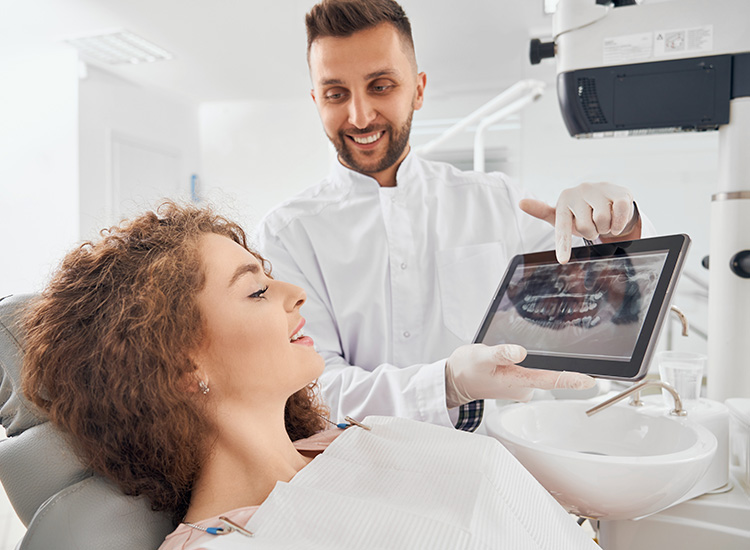
Digital transformation in dentistry is no longer limited merely to the computer analysis of X-ray images. Artificial intelligence-backed systems, digital intraoral scans, and three-dimensional imaging technologies allow the practitioner to evaluate more data together during the diagnosis and treatment planning process.
New generation artificial intelligence agents stand out as systems that aim to offer decision support to the practitioner by analyzing different digital data. When intraoral scans, radiological images, digital models, and patient-specific clinical information are evaluated together, a new digital workflow model emerges that can help carry out treatment planning in a more personalized manner. The primary objective here is not for artificial intelligence to replace the clinician, but to function as a smart digital assistant supporting the clinician's evaluation.
The Doctor's Digital Assistant: More Comprehensive Data Analysis via Artificial Intelligence
In the traditional diagnostic approach, the practitioner evaluates information obtained from clinical examination, patient history, and necessary imaging methods together. AI-supported new systems, on the other hand, can add the faster and more systematic analysis of digital data to this process.
Particularly in orthodontics, evaluating data such as digital intraoral scans, 3D dental models, radiological images, current positions of teeth, jaw and occlusal relationships, and pre- and post-treatment digital comparisons together can contribute to personalized treatment planning.
Artificial intelligence agents bringing different data sources together to provide decision support to the practitioner regarding potential treatment scenarios, risk areas, and follow-up processes is considered one of the evolving fields of digital dentistry. However, the final diagnosis and treatment decision must be made by the clinician who evaluates the patient clinically.
How Can Artificial Intelligence Be Used in Orthodontic Treatment Planning?
Orthodontic treatment is not a standard process that progresses in the exact same manner for every patient. The position of teeth, jaw relationships, occlusion, periodontal status, age, and growth and development characteristics can directly influence the treatment plan.
AI-supported digital systems can support the practitioner by helping analyze this data to evaluate the patient's current status, examine which tooth movements can be planned, and evaluate changes that may arise during the treatment process.
Particularly in clear aligner treatments, digital planning and virtual treatment simulations can help visualize planned tooth movements.
However, digital simulation and actual biological treatment results are not the same thing. Tooth movement is influenced by many factors such as bone structure, periodontal status, patient compliance, and individual biological differences. For this reason, technology should be used alongside clinical evaluation, not in place of it.
Robotic Dental Assistants and Smart Clinical Systems
Another dimension of digitalization is the automation of clinical workflows. Smart appointment systems, digital patient records, imaging technologies, automated data analysis, and computer-aided treatment planning tools can contribute to creating a more organized clinical process for both clinician and patient.
Robotic technologies are also among the evolving areas researched and used in specific applications in dentistry. However, today it is not accurate to speak of a system where robots replace clinicians. A more realistic approach is the development of robotic and AI technologies as auxiliary tools supporting the clinician's precision and decision-making processes. The goal is not to reduce human error to zero, but to render planning, measurement, follow-up, and application processes more controlled through collaboration between humans and technology.
Personalized Treatment in the Dentistry of the Future
One of the most significant potentials of smart dentistry is personalized treatment planning. Every patient's dental structure, jaw relationships, periodontal status, age, and biological response to treatment are different. Therefore, in the digital dentistry of the future, rather than one-size-fits-all treatment models, more personalized approaches based on evaluating patient data together are expected to gain importance.
In orthodontic treatment planning in Adana, utilizing digital scanning, 3D analysis, and AI-supported technologies can help evaluate the diagnosis and treatment process in greater detail in suitable patients.
In the approach of Orthodontist Specialist Dr. Emin Serhat Arıkan, technology is handled not as an alternative to clinical examination, but as a tool supporting accurate diagnosis and personalized treatment planning. Because at the foundation of smart dentistry lies not technology alone, but accurate diagnosis, experienced clinical judgment, and personalized treatment planning.