How Are Bioactive Fillers and Next-Generation Ceramics Used?
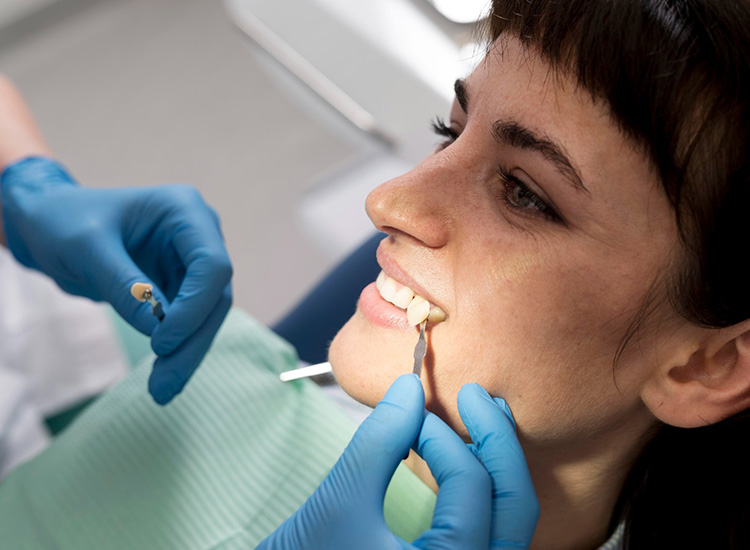
Materials used in dentistry are evolving not only in terms of aesthetic appearance and durability, but also in terms of their compatibility with tooth structure. Today, bioactive and biocompatible smart dental materials stand among the noteworthy innovations in restorative dentistry.
The main objective in developing these new generation materials is to create restorations that are more compatible with tooth tissue, functional, and suitable for long-term use. Particularly bioactive fillings and new generation hybrid ceramics aim to impart distinct characteristics to traditional materials.
What Are Bioactive Fillings and How Do They Work?
Bioactive fillings are restorative materials that are not used merely to fill the missing portion of a tooth, but can interact at a certain level with the oral environment.
Some bioactive materials possess properties that support the release of ions such as calcium, phosphate, and fluoride. It is being researched whether these properties can contribute to the mineralization and remineralization processes around the tooth.
However, the use of a bioactive filling alone does not mean that the formation of new decay is completely prevented. In controlling caries risk, oral hygiene, diet, saliva structure, regular check-ups, and the correct application of the restoration together hold importance.
Why Are Biocompatible Dental Materials Important?
The success of a restorative material cannot be explained solely by its strength. A material's compatibility with oral tissues, its mechanical properties, aesthetic appearance, and long-term behavior within the oral cavity must also be evaluated. Biocompatible dental materials are developed so that they can be used safely and harmoniously with tissues in the oral environment. The smart material approach, on the other hand, aims to allow the material to interact with its surrounding environment in a more controlled manner.
For this reason, when selecting materials today, not only durability but also appropriateness for the tooth tissue and the patient's clinical needs gains importance.
What Are New Generation Hybrid Ceramics and What Advantages Do They Provide?
In aesthetic restorations, it is important to mimic the appearance of the natural tooth as much as possible. New generation hybrid ceramics and ceramic-based materials are among the alternatives that can approach the optical properties of natural teeth and offer different mechanical characteristics.
These materials' light translucency, fracture strength, elastic behavior, wear characteristics, and interaction with opposing teeth are evaluated according to their area of use.
In particular, developments in digital dentistry and CAD/CAM technologies make it possible to use such materials in a more controlled and customized manner.
Can Hybrid Ceramics Replace Porcelain?
It is not correct to say that a single material is the best option for every restoration.
While hybrid ceramics can offer significant advantages in certain clinical situations, porcelain and other ceramic materials can also be preferred for different indications.
When making a material selection, the position of the tooth, chewing forces, type of restoration, aesthetic expectations, existing tooth structure, and oral health must be evaluated together.
Therefore, the right question should not merely be "Which material is newer?", but "Which material is more suitable for this tooth and this patient?"
How Are Smart Dental Materials Changing Dentistry?
Developments in dental materials enable the investigation of more functional and biologically compatible solutions in restorative dentistry.
Bioactive contents, ion release, properties that support remineralization, and advanced hybrid materials may contribute to making restorative treatments more personalized in the future.
In modern dentistry practices in Adana as well, it is important that material selection is evaluated not solely through aesthetic expectations, but in line with the current state of the tooth and the patient's needs.
As in the approach of Orthodontist Specialist Dr. Emin Serhat Arıkan, evaluating the teeth, jaws, occlusion, and general oral health together prior to determining the right material forms the foundation of a treatment plan that is personalized and respects biological boundaries.
How Will the Future of Smart Dental Materials Be Shaped?
Bioactive and biocompatible materials represent one of the evolving areas of dental material technology. The goal is not merely to produce more aesthetic or more durable restorations, but also to develop materials that are more compatible with oral tissues, functional, and feature high long-term clinical success. For this reason, smart dental materials will continue to be an important field of research and development in the dentistry of the future.