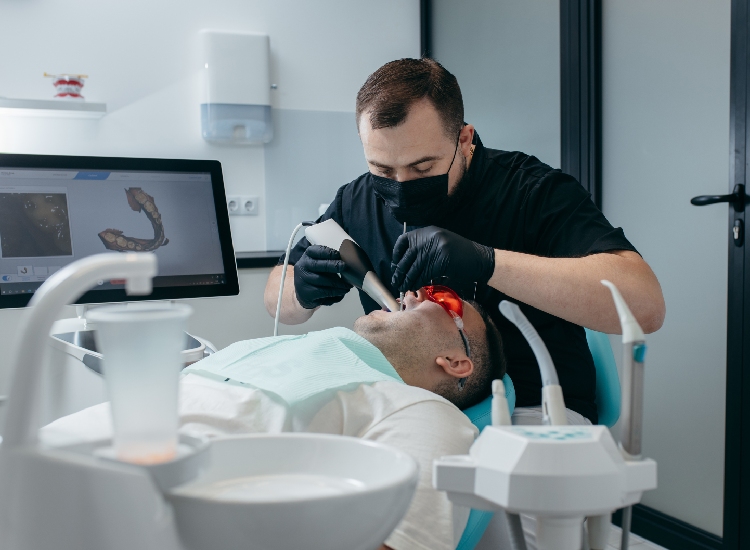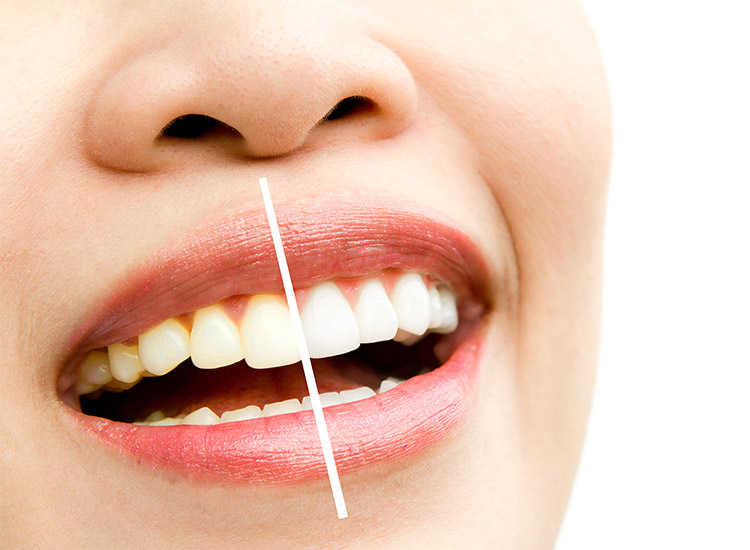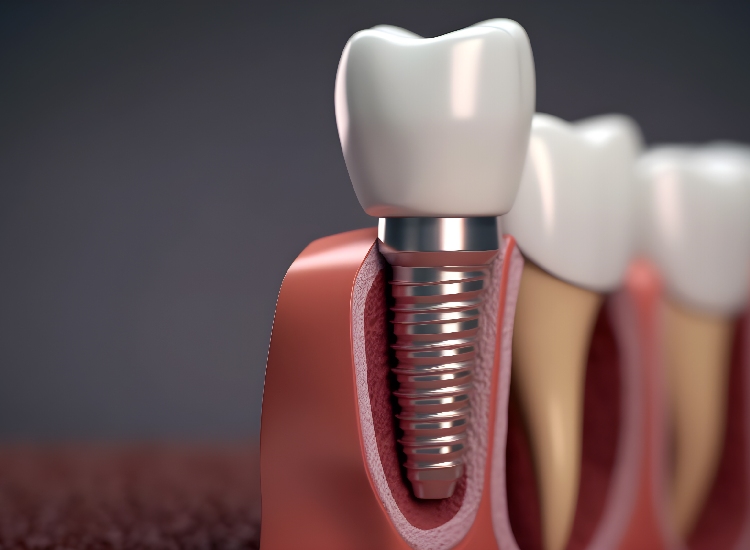
Dental implants replace missing teeth aesthetically and functionally, integrating with the jawbone to serve as artificial tooth roots. For implants to be successful in the long term, several factors are important, including the patient's bone tissue, gum health, oral hygiene, healing process, and general health. Smoking and using tobacco products can slow the healing process following implant surgery. Smoking is also a significant risk factor because it can negatively affect dental and gum health over time. Specialist Dentist Emin Serhat Arıkan, who provides services to patients in Adana, explains how smoking affects the process of dental implants integrating with the jawbone and whether dental implants can be successful in smokers.
Tercih ettiğiniz yapay zekâ aracında, yalnızca bu sayfadaki bilgilere dayalı kısa bir özet oluşturun.
Bu özet yapay zekâ tarafından üretilir, tıbbi tavsiye yerine geçmez. Kesin bilgi için hekiminize danışın.
Why Does Smoking Affect the Success of Dental Implants?
During the process of a dental implant integrating with the jawbone, the surrounding bone tissue is expected to heal and provide support for the implant. Nicotine, carbon monoxide, and other harmful substances in cigarette smoke can impair blood flow to the tissues and interfere with the body's healing mechanisms.
As a result, the tissues surrounding the implant may have more difficulty healing. Smoking can contribute to bone loss or inflammation around the implant.
Scientific studies on this subject have found that early implant failure rates are higher among smokers. This means smoking is a risk factor that must be considered during dental implant treatment. However, this does not mean that people who smoke cannot receive dental implants. Outcomes vary depending on the individual's oral health and other risk factors.
How Does Smoking Affect Healing After Dental Implant Surgery?
Placing dental implant screws into the jawbone is a surgical procedure. Following the operation, the gums and surrounding tissues need time to heal. During this period, the implant screw is expected to integrate with the bone. Smoking and using tobacco products may increase the likelihood of certain complications during this process. The risks associated with smoking during healing include:
- Cigarette smoke can impair blood flow to the tissues, negatively affect healing mechanisms, and delay wound healing. This can slow recovery in the treated area.
- During the healing period after implant surgery, the implant needs to gain sufficient support from the bone. However, smoking can interfere with the process of osseointegration, in which the implant integrates with the bone.
- Inadequate oral hygiene combined with smoking can put the health of the tissues surrounding the implant at risk. This may lead to infection and inflammation.
- Smoking can damage the supporting tissues around the implant over the long term, making it more difficult for the implant to remain healthy and stable in the mouth.
These effects do not develop in the same way in every patient. Factors such as how much and how long a person smokes, their oral care habits, and any existing gum disease should be evaluated together.
Can Smokers Get Dental Implants?
Smoking is not an absolute contraindication to dental implant treatment. However, patients should inform their dentist about their smoking habits when planning treatment. After carrying out the necessary examinations and imaging tests, the dentist will determine whether the patient is a suitable candidate for dental implants.
During this assessment, the dentist considers the amount, density, and quality of the patient's jawbone, gum health, systemic conditions, oral hygiene, and medications. If risk factors such as existing gum disease or inadequate oral care are present, these problems should be addressed first.
People who smoke can seek support to quit before dental implant treatment. The length of time patients should avoid smoking before and after implant surgery varies according to the scope of treatment and their individual health conditions. It would not be appropriate to recommend a single time frame for every patient.
What Should You Pay Attention to After Dental Implant Treatment?
For dental implant treatment to be successful, patients should follow their dentist's instructions after the procedure and maintain good oral care and hygiene. It is particularly important to protect the surgical site during the early stages of healing.
The key points to keep in mind after dental implant treatment include:
- Avoid smoking for the period recommended by your dentist.
- Clean your teeth and gums regularly, following your dentist's instructions.
- Take the medications prescribed by your dentist as directed.
- Avoid habits and foods that could damage the surgical site for the period recommended by your dentist.
- Attend all follow-up appointments as scheduled.
- Contact your dentist without delay if your pain worsens, swelling, discharge, or bleeding develops, or you experience discomfort around the implant.
You should continue to maintain proper care and cleaning after the prosthetic restoration has been placed on the implant. Protecting the health of the gum and bone tissue surrounding the implant is essential for the long-term success of the treatment.
Can Quitting Smoking Extend the Lifespan of Dental Implants?
Quitting smoking is important for the success of dental implant treatment because it eliminates a modifiable risk factor. However, quitting smoking does not guarantee that implant treatment will be successful or that the implants will remain problem-free for life.
To achieve successful long-term outcomes, treatment must be planned appropriately, bone and gum health must be maintained, good oral hygiene must be practiced, and regular dental checkups must not be missed. People who find it difficult to quit smoking can seek professional support.
Dental implants replace missing teeth aesthetically and functionally, integrating with the jawbone to serve as artificial tooth roots. For implants to be successful in the long term, several factors are important, including the patient's bone tissue, gum health, oral hygiene, healing process, and general health. Smoking and using tobacco products can slow the healing process following implant surgery. Smoking is also a significant risk factor because it can negatively affect dental and gum health over time. Specialist Dentist Emin Serhat Arıkan, who provides services to patients in Adana, explains how smoking affects the process of dental implants integrating with the jawbone and whether dental implants can be successful in smokers.
Why Does Smoking Affect the Success of Dental Implants?
During the process of a dental implant integrating with the jawbone, the surrounding bone tissue is expected to heal and provide support for the implant. Nicotine, carbon monoxide, and other harmful substances in cigarette smoke can impair blood flow to the tissues and interfere with the body's healing mechanisms.
As a result, the tissues surrounding the implant may have more difficulty healing. Smoking can contribute to bone loss or inflammation around the implant.
Scientific studies on this subject have found that early implant failure rates are higher among smokers. This means smoking is a risk factor that must be considered during dental implant treatment. However, this does not mean that people who smoke cannot receive dental implants. Outcomes vary depending on the individual's oral health and other risk factors.
How Does Smoking Affect Healing After Dental Implant Surgery?
Placing dental implant screws into the jawbone is a surgical procedure. Following the operation, the gums and surrounding tissues need time to heal. During this period, the implant screw is expected to integrate with the bone. Smoking and using tobacco products may increase the likelihood of certain complications during this process. The risks associated with smoking during healing include:
- Cigarette smoke can impair blood flow to the tissues, negatively affect healing mechanisms, and delay wound healing. This can slow recovery in the treated area.
- During the healing period after implant surgery, the implant needs to gain sufficient support from the bone. However, smoking can interfere with the process of osseointegration, in which the implant integrates with the bone.
- Inadequate oral hygiene combined with smoking can put the health of the tissues surrounding the implant at risk. This may lead to infection and inflammation.
- Smoking can damage the supporting tissues around the implant over the long term, making it more difficult for the implant to remain healthy and stable in the mouth.
These effects do not develop in the same way in every patient. Factors such as how much and how long a person smokes, their oral care habits, and any existing gum disease should be evaluated together.
Can Smokers Get Dental Implants?
Smoking is not an absolute contraindication to dental implant treatment. However, patients should inform their dentist about their smoking habits when planning treatment. After carrying out the necessary examinations and imaging tests, the dentist will determine whether the patient is a suitable candidate for dental implants.
During this assessment, the dentist considers the amount, density, and quality of the patient's jawbone, gum health, systemic conditions, oral hygiene, and medications. If risk factors such as existing gum disease or inadequate oral care are present, these problems should be addressed first.
People who smoke can seek support to quit before dental implant treatment. The length of time patients should avoid smoking before and after implant surgery varies according to the scope of treatment and their individual health conditions. It would not be appropriate to recommend a single time frame for every patient.
What Should You Pay Attention to After Dental Implant Treatment?
For dental implant treatment to be successful, patients should follow their dentist's instructions after the procedure and maintain good oral care and hygiene. It is particularly important to protect the surgical site during the early stages of healing.
The key points to keep in mind after dental implant treatment include:
- Avoid smoking for the period recommended by your dentist.
- Clean your teeth and gums regularly, following your dentist's instructions.
- Take the medications prescribed by your dentist as directed.
- Avoid habits and foods that could damage the surgical site for the period recommended by your dentist.
- Attend all follow-up appointments as scheduled.
- Contact your dentist without delay if your pain worsens, swelling, discharge, or bleeding develops, or you experience discomfort around the implant.
You should continue to maintain proper care and cleaning after the prosthetic restoration has been placed on the implant. Protecting the health of the gum and bone tissue surrounding the implant is essential for the long-term success of the treatment.
Can Quitting Smoking Extend the Lifespan of Dental Implants?
Quitting smoking is important for the success of dental implant treatment because it eliminates a modifiable risk factor. However, quitting smoking does not guarantee that implant treatment will be successful or that the implants will remain problem-free for life.
To achieve successful long-term outcomes, treatment must be planned appropriately, bone and gum health must be maintained, good oral hygiene must be practiced, and regular dental checkups must not be missed. People who find it difficult to quit smoking can seek professional support.