Digital oral scanning is a dental technology that allows the teeth, gums, and bite characteristics to be examined in three dimensions using an intraoral digital scanner and transferred to a digital environment. In conventional impression-taking procedures, a physical mold of the patient's mouth is obtained using an impression tray and various impression materials. Both methods offer benefits for treatment planning. However, the dentist determines which method is more appropriate based on the planned treatment and the patient's oral condition.
Digital oral scanning offers significant benefits before procedures such as orthodontic treatment, clear aligners, dental crowns, implant-supported prostheses, and smile design. Digital oral scanning does not replace a dental examination or imaging technologies such as X-rays. Therefore, it should be considered an important part of the dentist's assessment. Dentist Emin Serhat Arıkan, who provides services to patients in Adana, explained what people want to know about digital oral scanning.
Tercih ettiğiniz yapay zekâ aracında, yalnızca bu sayfadaki bilgilere dayalı kısa bir özet oluşturun.
Bu özet yapay zekâ tarafından üretilir, tıbbi tavsiye yerine geçmez. Kesin bilgi için hekiminize danışın.
How Is Digital Oral Scanning Performed?
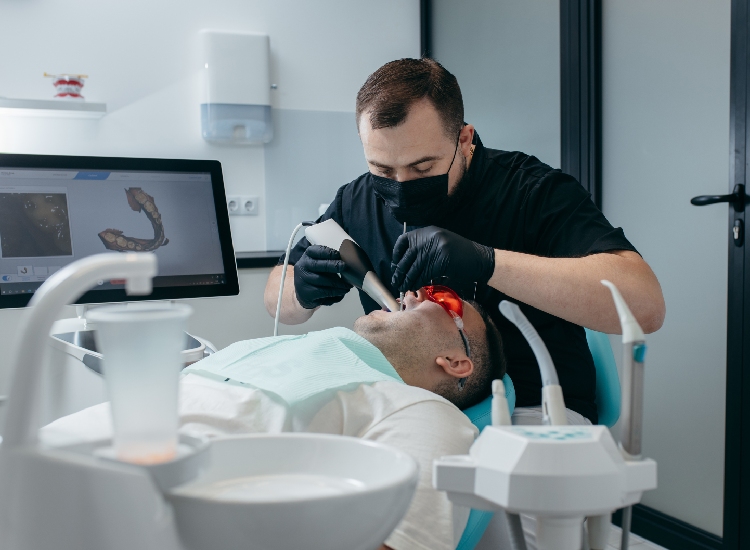
During digital oral scanning, the dentist carefully moves a small-tipped intraoral scanner over the teeth. The scanner combines the images captured from the tooth surfaces to create a three-dimensional digital model. When necessary, records of the upper and lower jaws and their bite relationship are also added to the system.
The resulting digital model can be examined on a screen. Tooth crowding, gaps, tooth alignment, arch structure, and bite relationships can be evaluated in detail. Digital records provide significant benefits when planning orthodontic treatment.
How Are Traditional Dental Impressions Taken?
In conventional impression-taking methods, an impression tray is placed in the patient's mouth. Silicone or a similar impression material is applied to the tray. Once the material has hardened, it is removed from the mouth. The physical impression obtained is then sent to a laboratory, where it is converted into a plaster model.
This traditional impression-taking method has been used in dental clinics for many years and is still in use today. However, preparing the impression material, keeping the tray in the mouth, and completing laboratory procedures can take time. One of the advantages of digital scanning is that it can save time.
What Are the Main Differences Between Digital Scanning and Traditional Impressions?
In digital oral scanning, data is recorded using an intraoral digital scanner. In conventional impression-taking, an impression tray and impression material are used. Digital oral scanning can provide a more comfortable experience, particularly for patients with a strong gag reflex. Keeping impression material in the mouth can be uncomfortable for some patients. Traditional impressions also require additional laboratory and model-preparation stages to produce a physical mold.
The three-dimensional digital model can be examined on a screen immediately after the procedure. In contrast, the physical impression cannot be evaluated until the laboratory procedures have been completed.
If an area is missing from a digital scan, that area can be rescanned during the same appointment. However, if a similar issue occurs with a conventional impression, the impression-taking procedure may need to be repeated. Nevertheless, digital scanning may not be the best option for every patient. In some complex cases, dentists may specifically prefer conventional impressions.
What Are the Advantages of Digital Oral Scanning for Patients?
One of the most important advantages of digital oral scanning is that impression material does not need to remain in the patient's mouth for an extended period. People with a pronounced gag reflex may find it difficult to keep an impression tray in their mouths. Intraoral digital scanning can offer a more comfortable experience for these patients.
Another important advantage of digital oral scanning is that the digital model can be viewed directly on a screen. By examining the three-dimensional model, patients can better understand their bite alignment, tooth crowding, and certain aspects of their treatment. This can make it easier for patients to participate actively in the treatment process.
Which Treatments Can Digital Scanning Be Used For?
It would be incorrect to consider digital oral scanning a treatment method in itself. Digital scanning is a dental technology that supports diagnosis and treatment planning. In suitable cases, digital oral scanning can be used for:
- Clear aligners and orthodontic treatments
- Digital smile design
- Prosthetic treatments involving zirconia restorations, bridges, and crowns
- Planning implant-supported prostheses
- Night guards and temporomandibular joint splints
- Recording tooth alignment before and after treatment
Is Digital Scanning Always Better Than Traditional Impressions?
No, digital scanning is not always better than traditional impression-taking for every patient or in every situation. Your dentist determines the most appropriate impression method based on factors such as the accuracy required, the size of the area being scanned, the capabilities of the device, the patient's oral conditions, the scanning technique, and the type of treatment planned. The decision is made on a case-by-case basis and tailored to the individual patient.
How Long Does Digital Oral Scanning Take?
The duration of digital oral scanning varies depending on the extent of the area being recorded, the patient's oral conditions, and the treatment plan. In some cases, digital records can be obtained in a short time. However, the process may take longer if photographs, bite records, X-ray evaluations, or additional examinations are required. The goal is not simply to capture records quickly, but to obtain sufficient and accurate information for treatment planning.
Does Digital Scanning Replace X-Rays?
No, digital oral scanning does not replace X-rays or other imaging technologies. Digital oral scanning allows the visible surfaces of the teeth and the surrounding gum areas to be recorded in three dimensions. If the roots of the teeth, jawbone, bone levels, impacted teeth, or similar conditions need to be examined, other radiological imaging technologies may be used. Therefore, digital scanning and X-ray technology should not be considered alternatives to one another.
Digital oral scanning is a dental technology that allows the teeth, gums, and bite characteristics to be examined in three dimensions using an intraoral digital scanner and transferred to a digital environment. In conventional impression-taking procedures, a physical mold of the patient's mouth is obtained using an impression tray and various impression materials. Both methods offer benefits for treatment planning. However, the dentist determines which method is more appropriate based on the planned treatment and the patient's oral condition.
Digital oral scanning offers significant benefits before procedures such as orthodontic treatment, clear aligners, dental crowns, implant-supported prostheses, and smile design. Digital oral scanning does not replace a dental examination or imaging technologies such as X-rays. Therefore, it should be considered an important part of the dentist's assessment. Dentist Emin Serhat Arıkan, who provides services to patients in Adana, explained what people want to know about digital oral scanning.
How Is Digital Oral Scanning Performed?
During digital oral scanning, the dentist carefully moves a small-tipped intraoral scanner over the teeth. The scanner combines the images captured from the tooth surfaces to create a three-dimensional digital model. When necessary, records of the upper and lower jaws and their bite relationship are also added to the system.
The resulting digital model can be examined on a screen. Tooth crowding, gaps, tooth alignment, arch structure, and bite relationships can be evaluated in detail. Digital records provide significant benefits when planning orthodontic treatment.
How Are Traditional Dental Impressions Taken?
In conventional impression-taking methods, an impression tray is placed in the patient's mouth. Silicone or a similar impression material is applied to the tray. Once the material has hardened, it is removed from the mouth. The physical impression obtained is then sent to a laboratory, where it is converted into a plaster model.
This traditional impression-taking method has been used in dental clinics for many years and is still in use today. However, preparing the impression material, keeping the tray in the mouth, and completing laboratory procedures can take time. One of the advantages of digital scanning is that it can save time.
What Are the Main Differences Between Digital Scanning and Traditional Impressions?
In digital oral scanning, data is recorded using an intraoral digital scanner. In conventional impression-taking, an impression tray and impression material are used. Digital oral scanning can provide a more comfortable experience, particularly for patients with a strong gag reflex. Keeping impression material in the mouth can be uncomfortable for some patients. Traditional impressions also require additional laboratory and model-preparation stages to produce a physical mold.
The three-dimensional digital model can be examined on a screen immediately after the procedure. In contrast, the physical impression cannot be evaluated until the laboratory procedures have been completed.
If an area is missing from a digital scan, that area can be rescanned during the same appointment. However, if a similar issue occurs with a conventional impression, the impression-taking procedure may need to be repeated. Nevertheless, digital scanning may not be the best option for every patient. In some complex cases, dentists may specifically prefer conventional impressions.
What Are the Advantages of Digital Oral Scanning for Patients?
One of the most important advantages of digital oral scanning is that impression material does not need to remain in the patient's mouth for an extended period. People with a pronounced gag reflex may find it difficult to keep an impression tray in their mouths. Intraoral digital scanning can offer a more comfortable experience for these patients.
Another important advantage of digital oral scanning is that the digital model can be viewed directly on a screen. By examining the three-dimensional model, patients can better understand their bite alignment, tooth crowding, and certain aspects of their treatment. This can make it easier for patients to participate actively in the treatment process.
Which Treatments Can Digital Scanning Be Used For?
It would be incorrect to consider digital oral scanning a treatment method in itself. Digital scanning is a dental technology that supports diagnosis and treatment planning. In suitable cases, digital oral scanning can be used for:
- Clear aligners and orthodontic treatments
- Digital smile design
- Prosthetic treatments involving zirconia restorations, bridges, and crowns
- Planning implant-supported prostheses
- Night guards and temporomandibular joint splints
- Recording tooth alignment before and after treatment
Is Digital Scanning Always Better Than Traditional Impressions?
No, digital scanning is not always better than traditional impression-taking for every patient or in every situation. Your dentist determines the most appropriate impression method based on factors such as the accuracy required, the size of the area being scanned, the capabilities of the device, the patient's oral conditions, the scanning technique, and the type of treatment planned. The decision is made on a case-by-case basis and tailored to the individual patient.
How Long Does Digital Oral Scanning Take?
The duration of digital oral scanning varies depending on the extent of the area being recorded, the patient's oral conditions, and the treatment plan. In some cases, digital records can be obtained in a short time. However, the process may take longer if photographs, bite records, X-ray evaluations, or additional examinations are required. The goal is not simply to capture records quickly, but to obtain sufficient and accurate information for treatment planning.
Does Digital Scanning Replace X-Rays?
No, digital oral scanning does not replace X-rays or other imaging technologies. Digital oral scanning allows the visible surfaces of the teeth and the surrounding gum areas to be recorded in three dimensions. If the roots of the teeth, jawbone, bone levels, impacted teeth, or similar conditions need to be examined, other radiological imaging technologies may be used. Therefore, digital scanning and X-ray technology should not be considered alternatives to one another.